13. Does the external environment affect silicone sealant?
No, silicone sealant is not affected by the weather – hot, cold, dry or humid. The glue is resistant to UV rays and degradation due to ozone gas.
14. How do I preserve the cut glue box?
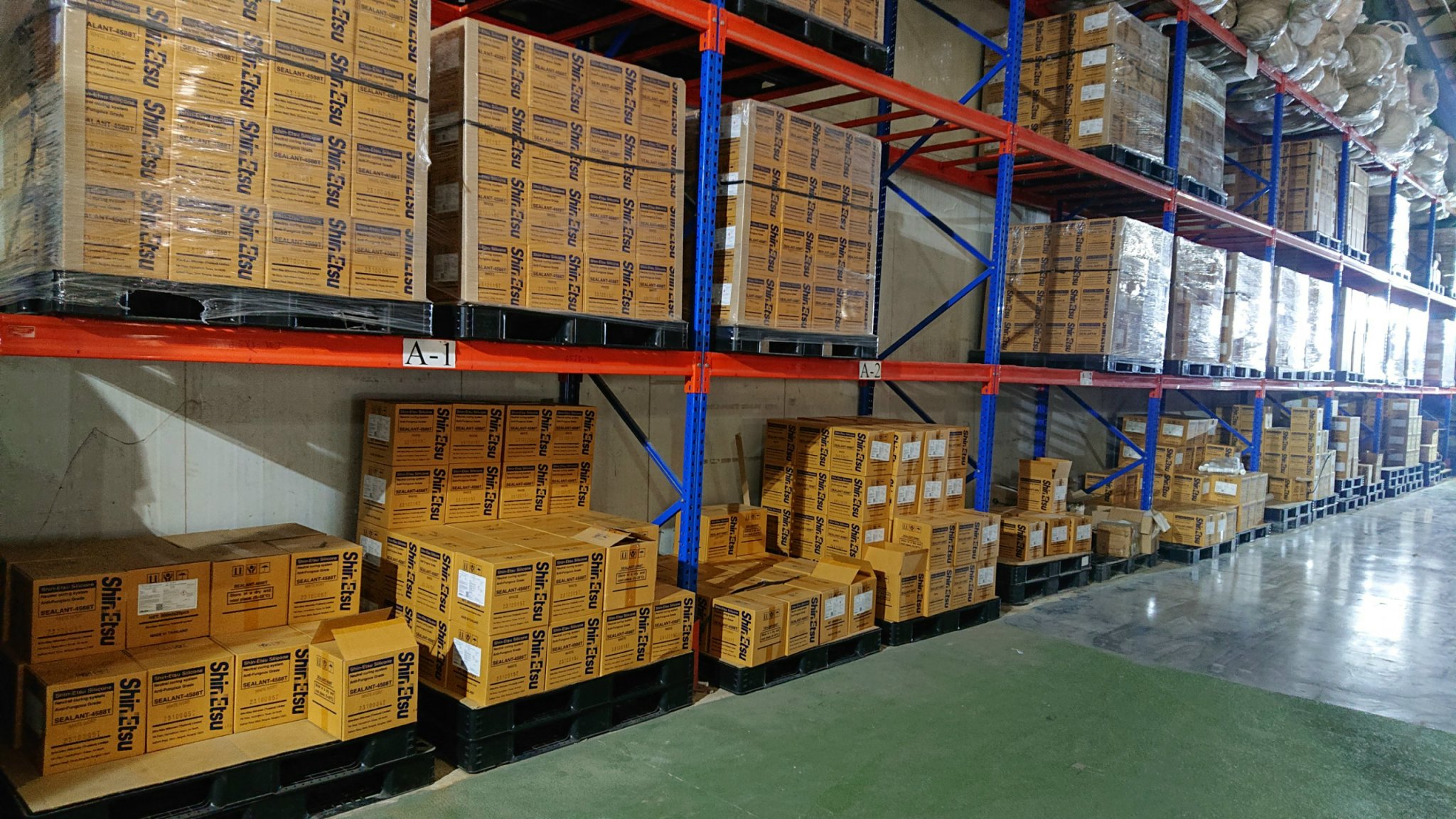
Once the glue tube has been cut off, there is no guarantee of storage time. You should keep it in a cool, dry place. Before storing, you should pump a little silicone out of the top of the bottle. Replace the bottle cap and cover the top with nylon paper.
15. What type of glue should I use for ventilation ducts?
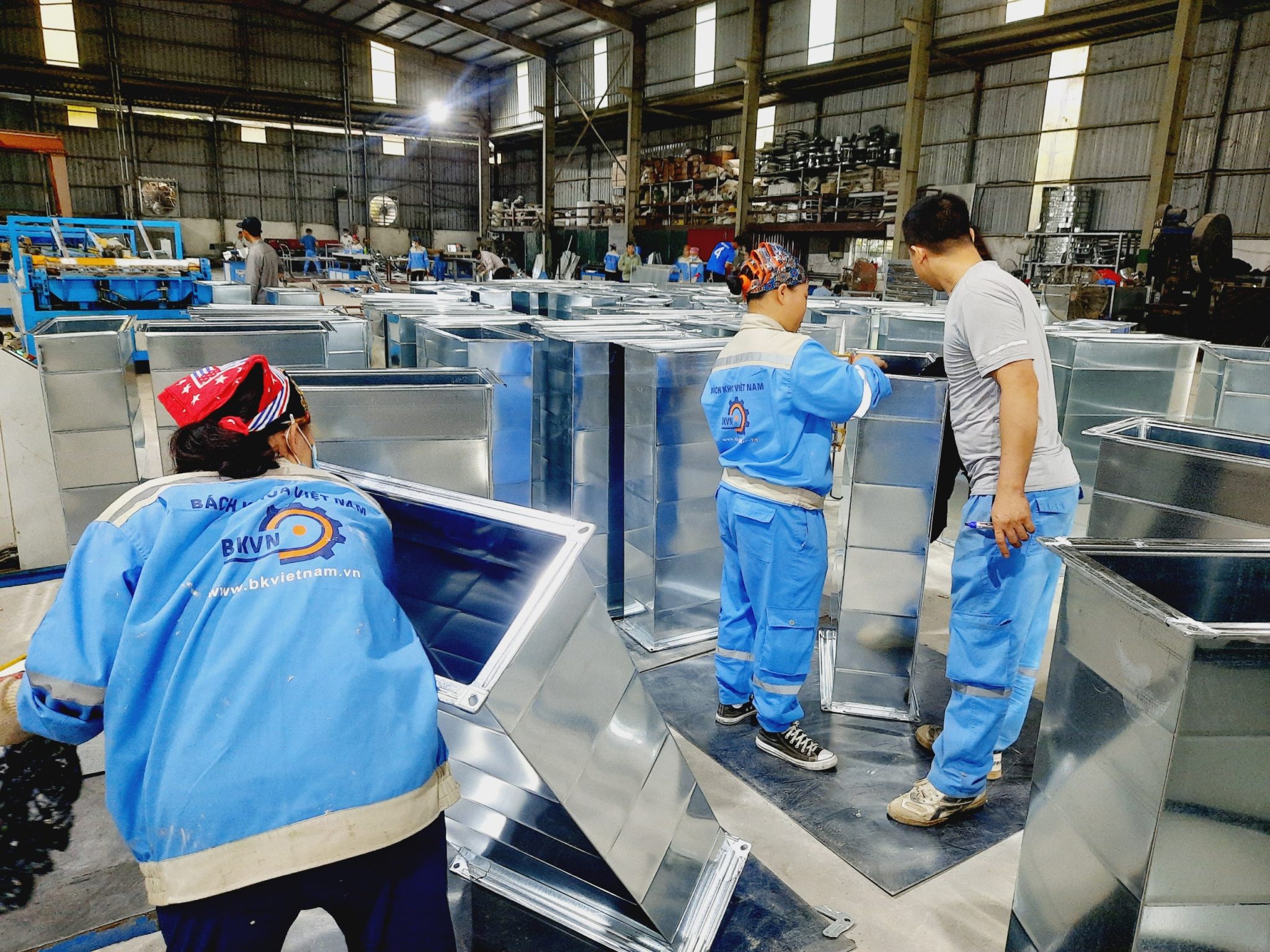
It is necessary to apply glue to the ventilation pipe to prevent leaks, pressure drops and dirty air from entering. Most ventilation ducts are made of galvanized steel or aluminum. If the pipe is made of steel, it is necessary to use neutral glue to avoid corrosion.
16. What is primer?
Coating primers are chemicals that act as a bridge between the glue and the substrate. Most primers are dissolved in solvents. After contact with air, the solvent flies away leaving behind a layer of reactive chemicals that connects the glue to the substrate surface. The reaction time of each type of primer is different. Therefore, you should consult the technical documentation before using the primer to ensure the highest effectiveness.
17. Should I use primer before applying glue?
The perfect answer is Yes. However, silicone glue already contains an adhesion enhancer, so only use primer in locations that require strict adhesion, where the glue can be pulled off without a primer. To know where to use primer, you should test it before actually applying it.
18. How will temperature changes affect glue?
In general, glue will have greater viscosity, i.e. thicker, as the temperature decreases. When the temperature is lower than 5°C, the glue will be more difficult to pump out of the tube. Low temperatures also cause glue to dry longer. At high temperatures, on the contrary, the glue will become more liquid and dry faster. The optimal temperature for using glue is 10°C to 25°C.
19. How does air humidity affect glue?
Air humidity is a factor that affects 1-component silicone sealant. The effect of humidity is summarized as follows. If the humidity is high, the glue will dry faster. Low humidity glue dries more slowly. Low humidity is below 30% humidity and high humidity is above 70%. When using glue, you should also consider the ambient temperature. The higher the humidity and temperature, the faster the glue dries.
20. Can silicone be coated?
Silicone sealant cannot be painted over. The paint will break when the glue expands along the joint.
21. What is the tensile strength of glue?
Tensile strength is the force per unit surface (N/mm²) required to stretch the glue joint until it breaks. The pulling force is perpendicular to the glue line.
22. What type of glue should be used in the bathroom?
Depending on the surface used, you can also use neutral glue. If the surface is acrylic, polyester or plastic, steel, neutral glue should be used. If the surface is ceramic, wood, stone, glass, or aluminum, acid glue should be used.
23. What is the optimal glue storage temperature?
The optimal temperature for storing glue is 5°C to 25°C.
24. What is the optimal temperature for using glue?
The optimal temperature for using glue is 10°C to 35°C
Source: Internet