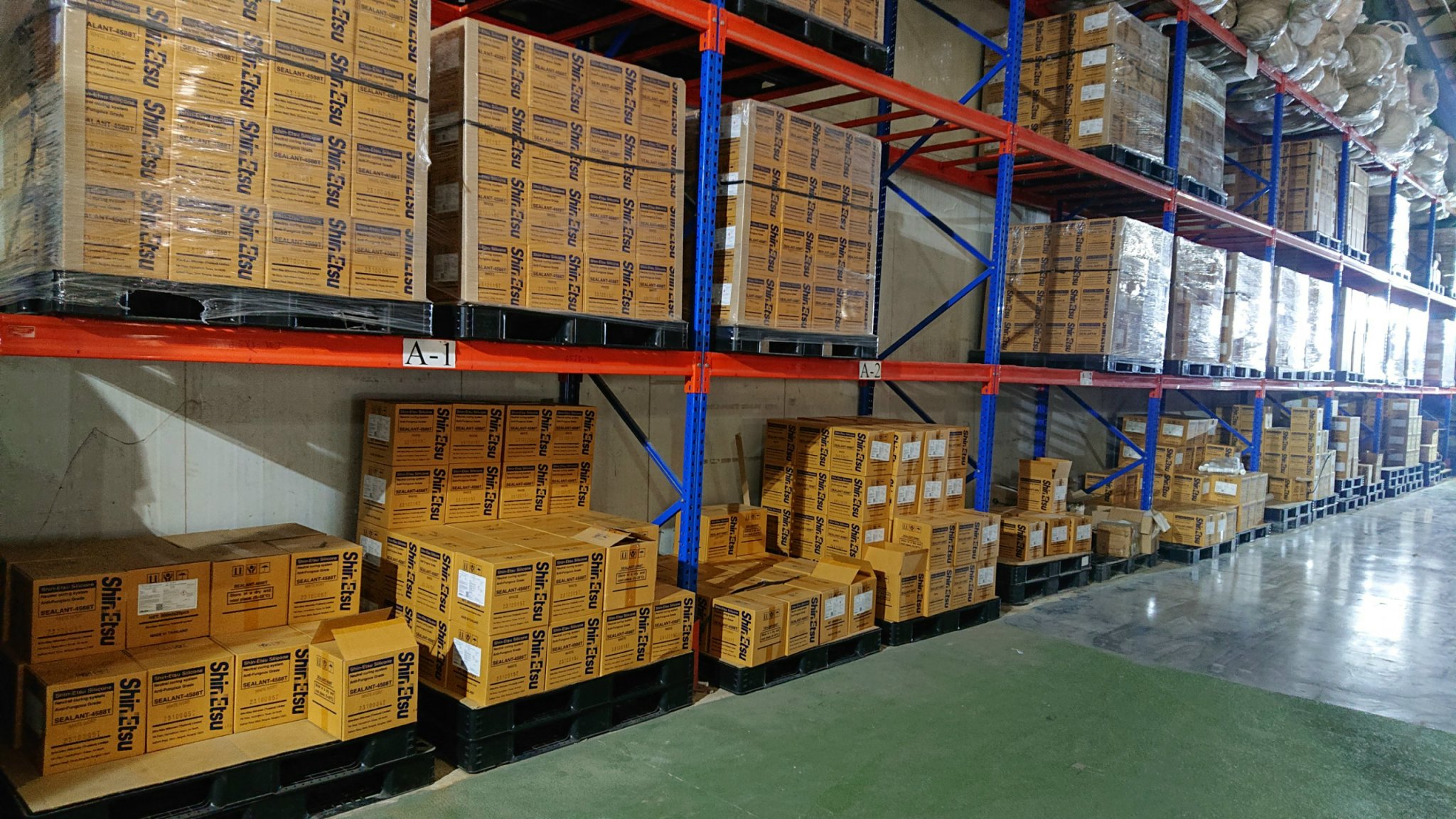
1. What is silicone sealant?
Silicone sealant is a special product produced from primary silicon, additives and catalysts. Glue has a physical state of liquid paste and can harden when exposed to moisture. Adhesive is used to seal and prevent air, gas, noise, fire, smoke or liquid between two environments. Good silicone sealant must be insoluble, non-corrosive, non-staining, heat resistant and have good adhesion. Glue is used in many different industries such as construction, car manufacturing and aerospace industry...
2. What does RTV mean?
One of the types of 1-component silicone glue is room temperature vulcanizing glue (RTV - Room Temperature Vulcanizing). This type of glue begins to harden as soon as it is exposed to air – or more precisely, exposed to moisture in the air. Therefore, you need to work quickly when using RTV silicone sealant.
3. What is acrylic glue?
Acrylic adhesive is a synthetic protective material produced from the main raw material acrylic polymer resin. Adhesives are used in many applications. It can bond with a variety of materials to seal gaps. The drying time of glue depends on humidity and air temperature. Glue is mainly used to seal gaps in windows and doors, patch cracks in walls, foundations, etc.
4. What is polyurethane glue?
A type of glue produced by the reaction between glycol and isocyanate, polyurethane glue is an organic compound with good moisture and corrosion resistance. Therefore, it is used both in industrial and commercial applications. In addition, glue is also used as a highly durable coating. Glue can be applied with a gun, sprayer or brush.
5. What is a glass mount?
Putty is the term for paste-like plastic materials used in construction.
Glaziers' putty is a paste traditionally prepared by mixing white pigment (usually well-ground chalk powder) with linseed oil. Today people use synthetic polymers such as polybutene and styrene acrylic to replace linseed oil. Butyl rubber can be added to the mixture to increase strength and flexibility.
Currently, silicone glue is commonly used as a substitute for glue.
6. Advantages and disadvantages of silicone sealant
Advantage:
+ Has good resistance to weather conditions
+ Resistant to ultraviolet rays and high temperatures
+ Good water resistance
+ Elastic and flexible
+ Long usage time
Disadvantages:
- Not suitable for oily surfaces
- Cannot be coated
- Poor friction resistance
7. How is acid silicone sealant different from neutral silicone?
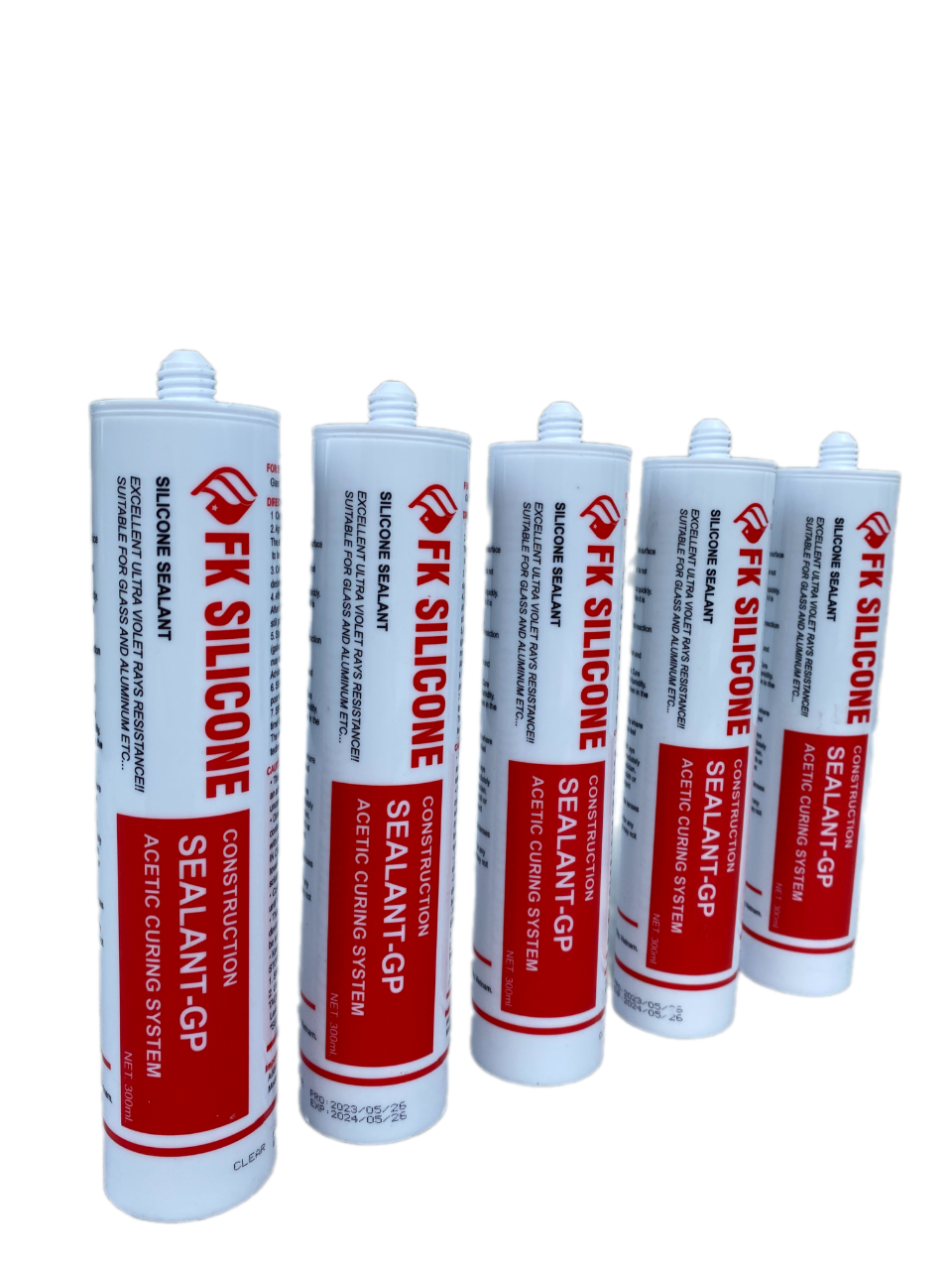
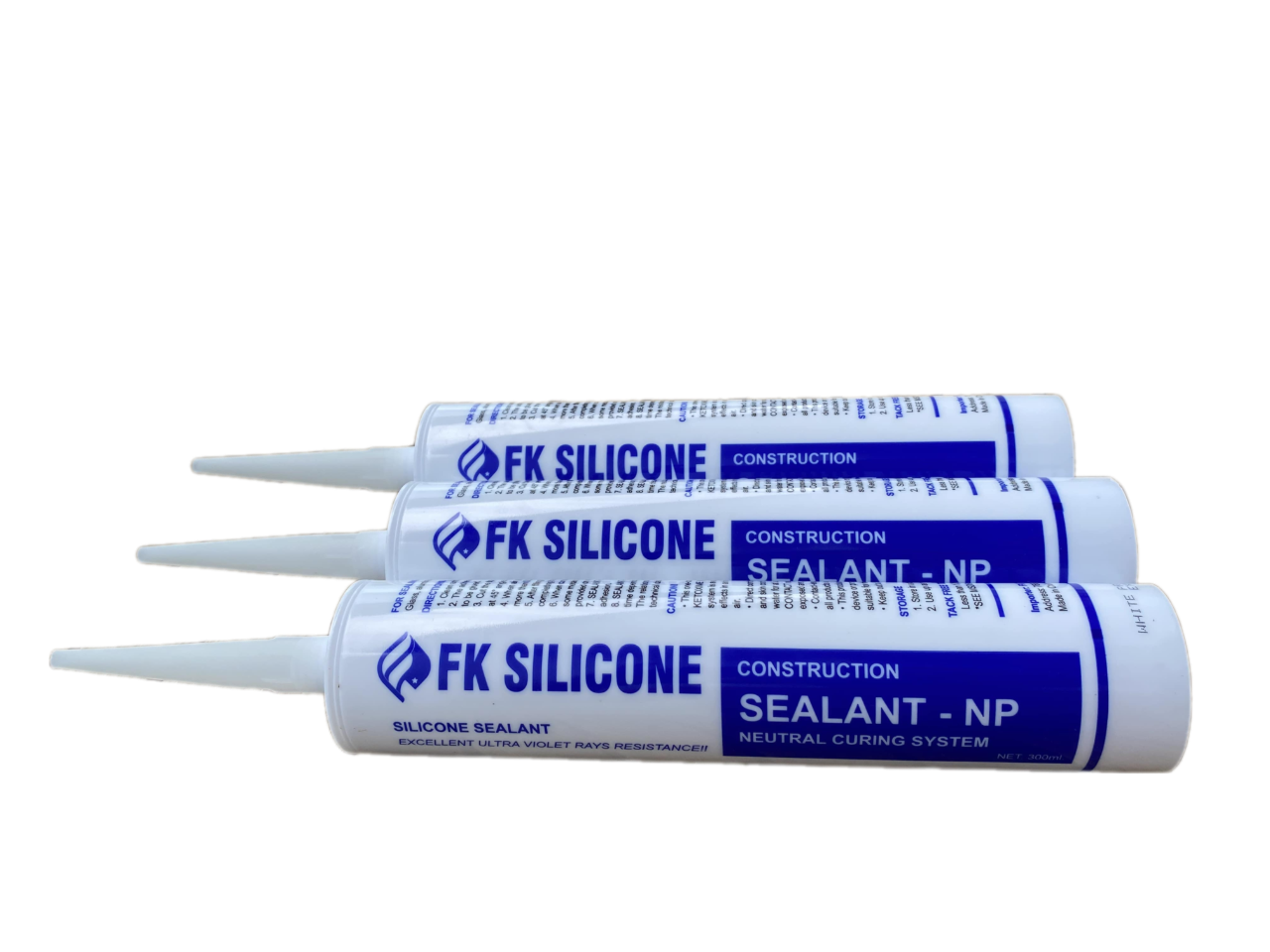
In general, acidic and neutral glues are similar in function and basic chemical composition. However, when exposed to air, acid glue produces a byproduct of acetic acid vapor (smelling like vinegar) that is slightly corrosive.
8. Should you use silicone glue with PVC doors?
You should only use neutral glue for PVC plastic. Acid glue is less sticky for PVC doors.
9. When to apply primer to porous surfaces.
If the adhesive surface is likely to get wet, it is necessary to use a primer. When using a primer, the glue will have better adhesion and resist water pressure.
10. What is the optimal joint size?
This depends on the type of glue used
+ For elastic glue:
Depth = ½ width of slot
+ For plastic glue:
Depth = width of slot
11. What is the drying time of glue?
The drying time of glue depends on:
+ Thickness of the joint
+ Humidity
+ Temperature
+ Surface type
Under normal conditions (20°C and 60% humidity), the glue will dry 2-3mm within 24 hours. At first the glue comes faster and then dries slowly.
12. What is the difference between high and low elasticity glue?
This depends on the E-Modulus of the adhesive, or the force required to stretch the adhesive to 100%. If the tensile force is greater than 0.4 N/mm², the glue has high elongation. If the tensile force is less than 0.4 N/mm², the glue has low elongation.
Source: Internet